Source Organic Sugar Body Scrub for Body, Face, and Foot Care
Find 30 listings for Organic Sugar Body Scrub from verified Chinese manufacturers. Buyers can compare features like exfoliation, moisturizing, and anti-aging effects alongside certifications such as ISO22716 and GMPC.
Key considerations
Products List
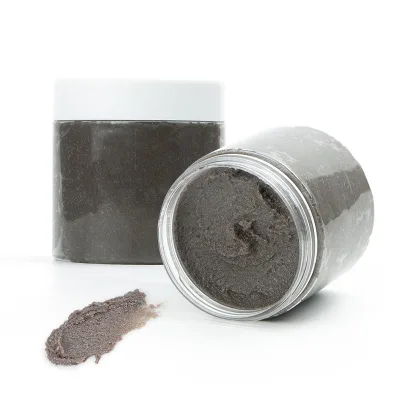


Factory High Quality Organic Lemon Sugar Body Scrub for Smooth & Silky Skin
$1.10 - $2.20
MOQ: 1000 Pieces


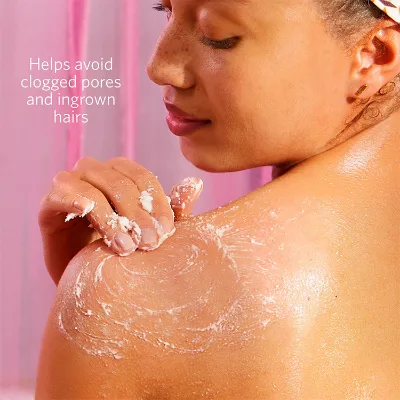
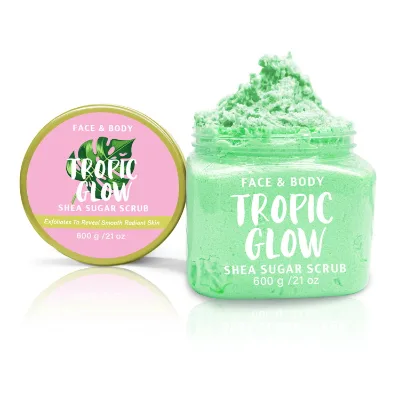


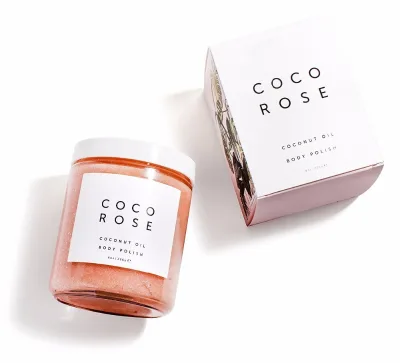
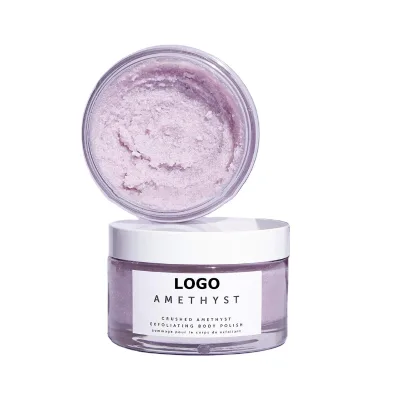


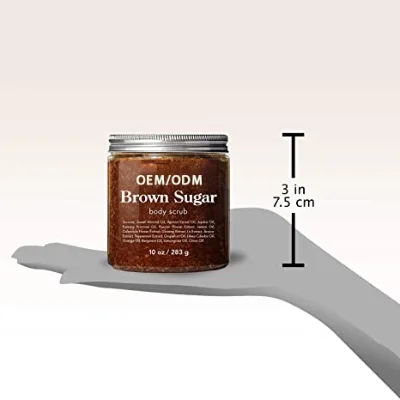
Private Custom Moisturizing Skin Exfoliating Brown Sugar Natural Body Scrub
$1.62 - $2.52
MOQ: 3000 Pieces

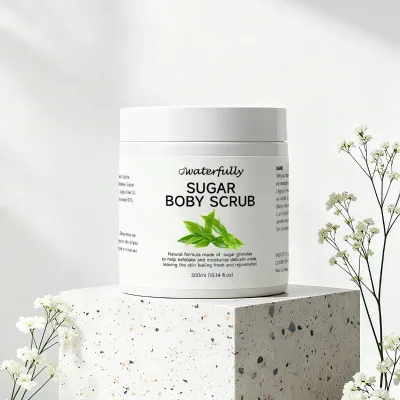


Comprehensive Sourcing Guide
Strategic Sourcing Guide for Organic Sugar Body Scrubs
Navigating the global market for organic sugar body scrubs requires a disciplined approach that balances aesthetic appeal with rigorous supply chain verification. For procurement professionals, the core keyword "Organic Sugar Body Scrub" represents a product category defined by specific raw material constraints, regulatory complexities, and diverse customization capabilities. The following guide synthesizes observed market data and technical specifications to provide a framework for evaluating potential suppliers and securing high-quality inventory. This analysis focuses on the tangible attributes found in current listings, such as the use of sea salt and mineral salts, the prevalence of OEM/ODM models, and the critical nature of certification compliance.
Technical Specifications and Formulation Variability
The technical definition of a body scrub in the current market is not monolithic. While the core concept involves exfoliation, the specific formulation varies significantly based on the raw materials and intended application. Observed product attributes indicate that while "sugar scrub" is a common model designation, the actual exfoliating agent often includes sea salt or mineral salt. This distinction is critical for buyers specifying the texture and exfoliation intensity. Some listings explicitly identify the form as "Cream," while others specify "Salt" as the primary form, suggesting a wide range of product viscosities and granular structures available from suppliers.
The ingredient profile further complicates the technical landscape. Buyers must verify whether the "organic" claim is supported by the presence of specific active ingredients like Vitamin C, herbal extracts, or natural aromas such as rose, aloe, milk, lavender, and honey. However, contradictory data exists where "Main Ingredient" is listed as "Chemical" or "Mineral," which necessitates a rigorous clarification process with the supplier. A compliant organic product should prioritize natural raw materials, yet the market data shows a mix of chemical and mineral-based formulations. Therefore, the technical specification sheet must be reviewed to confirm the ratio of organic components to synthetic additives.
Packaging and physical dimensions also play a vital role in logistics and shelf appeal. Standard single package sizes observed include dimensions of 5x5x8 cm, while other models specify weights ranging from 60g to 300g. The packaging format varies between boxes, bags, and gift boxes, with some suppliers offering "Customer Requirements" for bespoke packaging. The single gross weight of 0.350 kg is a key metric for freight calculation, but buyers must account for the variance in product weight standards, which can range from 60g to 285g depending on the specific model selected.
Compliance and Certification Verification
In the personal care sector, particularly for products claiming organic status, certification is not merely a marketing advantage but a fundamental compliance requirement. The market data highlights a dense cluster of certifications, including MSDS, GMPC, ISO22716, SEDEX, CE, FDA, and GMP. These certifications serve as proxies for the supplier's adherence to quality management systems and safety standards. For instance, GMPC and ISO22716 are specific to cosmetic manufacturing and indicate that the production facility meets international hygiene and quality benchmarks.
However, the presence of these certifications on a product listing does not guarantee that every SKU from that supplier is certified. Buyers must treat certification as a variable attribute that requires individual verification. The listing data shows some products certified under CE and FDA, while others list Management System Certification specifically as GMPC and ISO22716. This inconsistency suggests that certification status may be tied to specific production lines or product models rather than the entire supplier portfolio.
Furthermore, safety testing standards such as EN71 are mentioned in the context of certain models, which is particularly relevant if the product is marketed for children or "All Ages." The age group specifications vary from "Adults" to "Children, Adults, All Ages," making the verification of safety standards like EN71 essential for products targeting younger demographics. Buyers should request valid, current certificates for the specific batch or model they intend to purchase, rather than relying on general supplier claims. The "CE: Yes" attribute indicates compliance with European standards, but this must be cross-referenced with the specific product's intended market destination.
Cost Drivers and Pricing Dynamics
The pricing structure for organic sugar body scrubs is influenced by a complex interplay of factors, including raw material costs, customization levels, and order volume. The observed price range in the market spans from $0.39 to $5.00 USD. This wide variance reflects the difference between basic, unbranded bulk items and premium, fully customized products with organic certifications and specialized packaging. The lower end of the spectrum likely corresponds to standard formulations with minimal customization, while the higher end encompasses products with complex ingredient profiles, such as those containing Vitamin C or specific herbal blends, and those requiring bespoke packaging solutions.
Minimum Order Quantity (MOQ) is another significant cost driver. The observed MOQ range is extensive, spanning from 1 unit to 3,000 units. This flexibility allows buyers to test the market with small orders or secure bulk pricing for large-scale distribution. However, the unit price often correlates inversely with the order volume. Buyers seeking the $0.39 price point may need to meet higher MOQ thresholds, whereas the $5.00 price point might be associated with lower MOQs or highly customized specifications.
Additional cost factors include the supply type. The market is dominated by OEM/ODM models, meaning the cost includes not just the product but also the design, formulation, and branding services. Customization of the aroma, color, and packaging adds to the unit cost. For example, selecting a specific fragrance like "Honey" or "Lavender" or a "Customized Color" may incur additional setup fees or higher per-unit costs compared to standard stock items. Buyers must factor in these variables when calculating the total landed cost, including freight, duties, and potential rework costs if specifications are not met.
Typical Applications and Target Demographics
The application scope of organic sugar body scrubs is broad, extending beyond simple body care to include facial and foot treatments. Product attributes indicate usage for "Body," "Face," "Hand," and "Foot," suggesting a versatile product line that can be marketed across multiple categories. The "Exfoliator" feature is a primary function, but the product is also positioned for specific skin concerns such as "Acne Treatment," "Anti-Aging," "Anti-Wrinkle," "Firming," "Lightening," "Moisturizing," "Nourishing," and "Whitening." This multifaceted positioning allows buyers to target diverse consumer segments within the beauty and wellness industry.
The target demographic is equally varied. While many listings specify "Adults," others include "Children" and "All Ages." This variation necessitates careful product selection based on the intended retail channel. Products marketed for children must adhere to stricter safety standards, such as EN71, and likely require milder formulations. Conversely, adult-focused products may emphasize anti-aging or firming effects. The "Time Used" attribute, listed as "Day," suggests these products are formulated for daytime use, potentially requiring non-greasy textures or specific scent profiles that do not interfere with daily activities.
The "Effect" attribute, such as "Age-Defying Serum," further indicates that some products are positioned as high-performance treatments rather than simple cleansers. This positioning impacts the marketing strategy and the price point, as consumers are willing to pay a premium for products that promise specific therapeutic benefits. Buyers should align their product selection with the specific needs of their target market, ensuring that the claimed effects are supported by the product's ingredient profile and certification status.
Supplier Evaluation and Operational Due Diligence
Evaluating suppliers for organic sugar body scrubs requires a deep dive into their operational capabilities and supply chain transparency. The "Supply Type" is consistently listed as OEM/ODM, indicating that most suppliers are manufacturers capable of custom formulation and packaging. However, the "Place of Origin" varies, with specific mentions of "China" and "Guangdong." While these regions are known for manufacturing prowess, buyers must verify the specific factory conditions and quality control measures in place.
Supplier reliability is often signaled by their management system certifications. The presence of SEDEX certification, for example, indicates a commitment to ethical trading practices, which is increasingly important for B2B buyers concerned with corporate social responsibility. Similarly, the GMPC and ISO22716 certifications suggest a robust quality management system. Buyers should request evidence of these certifications and verify their validity with the issuing bodies.
The "Customization" attribute is a key differentiator. Suppliers offering "Customer Requirements" for packaging and "Custom" aromas demonstrate flexibility. However, this flexibility must be balanced against the risk of quality inconsistency. Buyers should assess the supplier's ability to maintain quality across different customization options. The "Product Model" variations, such as "sugar scrub," "body scrub," "AFCARE," and "BD-1783," suggest a wide range of SKUs. Buyers should request samples of different models to evaluate consistency in texture, scent, and packaging quality.
Quality Control and Long-Term Procurement Strategy
Implementing a robust quality control (QC) strategy is essential for maintaining product integrity in the organic body scrub market. Given the variability in raw materials, such as "Sea Salt" versus "Mineral Salt," and the potential for "Chemical" ingredients to be listed alongside organic claims, QC must be rigorous. Buyers should establish clear acceptance criteria for visual appearance, texture, scent consistency, and packaging integrity. The "Single gross weight" of 0.350 kg and specific package dimensions provide baseline metrics for QC checks, but buyers must also verify the actual weight and volume of the product against the "prod_standard" of 60g, 200g, or 300g.
Long-term procurement considerations involve building a sustainable relationship with suppliers who can scale with demand. The wide MOQ range (1-3,000) offers flexibility, but buyers should aim to negotiate terms that support growth without compromising quality. Consistency in the "Aroma" and "Color" is crucial for brand loyalty, so buyers should ensure that the supplier has a standardized process for maintaining these attributes across batches.
Furthermore, the "Test" standard of EN71 and the "Certification" of CE, FDA, and GMP should be part of the ongoing compliance monitoring. Buyers should schedule regular audits or third-party inspections to ensure that the supplier continues to meet these standards. The "Main Ingredient" listing as "Chemical" or "Mineral" in some contexts requires ongoing verification to ensure that the product remains compliant with organic labeling regulations in the target market.
| Attribute Category | Observed Variability | Verification Requirement |
|---|---|---|
| Raw Material | Sea Salt, Mineral Salt, Chemical, Herbal | Confirm specific ingredient list and organic percentage |
| Certification | MSDS, GMPC, ISO22716, CE, FDA, GMP, SEDEX | Request valid, batch-specific certificates |
| Form | Cream, Salt | Verify texture and exfoliation particle size |
| Packaging | Box, Bag, Gift Box, Custom | Confirm dimensions and weight for logistics |
| Target Age | Adults, Children, All Ages | Ensure safety standards match demographic |
| Price Range | $0.39 - $5.00 USD | Correlate price with MOQ and customization level |
In conclusion, sourcing organic sugar body scrubs demands a meticulous approach to verifying technical specifications, certifications, and supplier capabilities. By focusing on the observable data points and maintaining a strict verification protocol, buyers can navigate the complexities of this market and secure high-quality products that meet both regulatory and consumer expectations. The key lies in treating product attributes as observations to be validated rather than absolute claims, ensuring that the final procurement aligns with the specific needs of the business and its customers.
FAQs
What certifications do Organic Sugar Body Scrub suppliers typically hold?
Suppliers typically hold certifications such as MSDS, GMPC, ISO22716, SEDEX, CE, FDA, and GMP. These documents verify adherence to quality management systems and safety standards required for cosmetic manufacturing and international trade compliance.
Which raw materials are used in organic sugar body scrubs?
Products commonly use sea salt or mineral salt as the primary exfoliating agent. Some formulations also include organic ingredients like Vitamin C, herbal extracts, and natural aromas such as rose, aloe, milk, lavender, and honey.
Can buyers customize the packaging and scent of these scrubs?
Yes, customization is available for aroma, color, and packaging formats like boxes, bags, or gift boxes. Buyers can specify customer requirements for dimensions and weights ranging from 60g to 300g depending on the supplier model.
What is the typical price range and minimum order quantity for these products?
The observed price range spans from 0.39 to 5 USD per unit. Minimum order quantities vary significantly, ranging from 1 unit for testing to 3000 units for bulk procurement, with pricing often inversely correlated to order volume.
Where are these organic sugar body scrubs manufactured?
The products originate from China, with specific manufacturing hubs located in Guangdong. Buyers should verify factory conditions and quality control measures within these regions to ensure compliance with their specific sourcing requirements.
Which age groups are targeted by these body scrub formulations?
Products are formulated for adults, children, and all ages depending on the specific model. Items targeting children or all ages must adhere to stricter safety standards like EN71 and often feature milder ingredient profiles.